
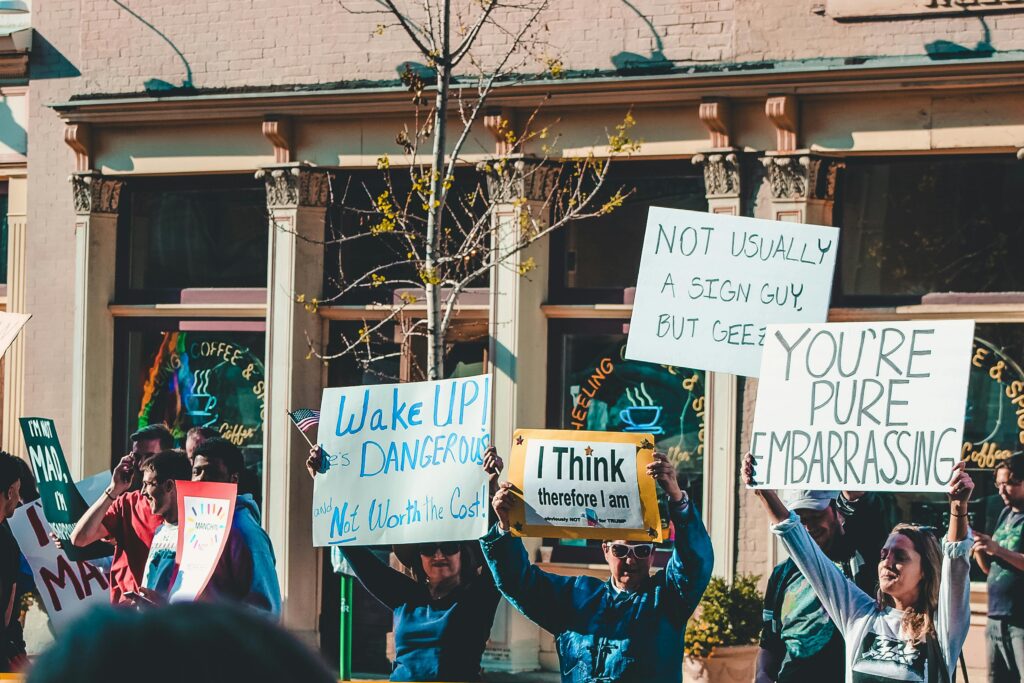
Modern politics is often trapped in a cycle of “us vs. them.” Populism and narrow, ethnic-based nationalism are on the rise globally, dividing us based on race, geography, or creed. Allama Iqbal saw the danger of this over a century ago. He famously wrote that he was “not a nationalist in the western sense of the word,” arguing that loyalty to a piece of earth (territorial nationalism) was a “new idol” that humanity was worshipping.
His alternative was a revolutionary concept: a “spiritual democracy.” This was his vision for a global community (Ummah) bound not by shared ethnicity or borders, but by shared moral values, a common spiritual purpose, and a commitment to human dignity. It is a a society where every individual, by developing their Khudi, is a valuable, active participant in a community built on justice and ethics.
This article will explore whether Iqbal’s revolutionary vision can offer a path forward for the 21st century’s fractured political landscape. In an age of globalization, migration, and digital tribes, can we build an identity based on shared principles rather than shared territory? Iqbal’s political philosophy challenges us to think beyond the nation-state and imagine a truer, more inclusive form of human unity.